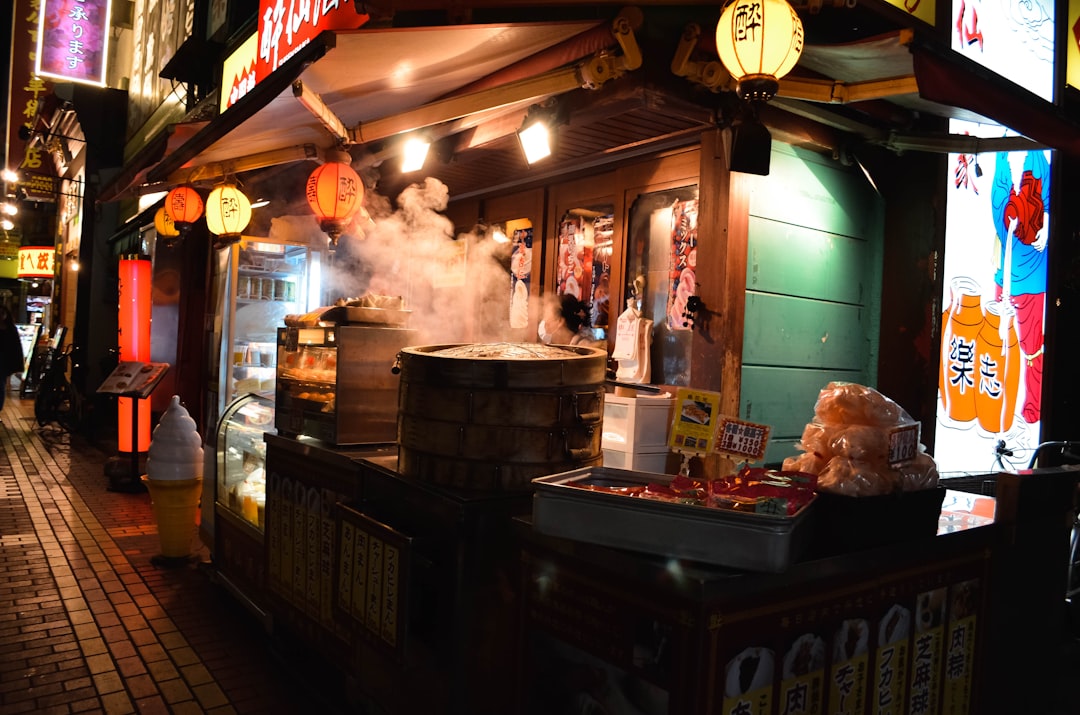
Christmas in Japan is a vibrant celebration that reflects a unique fusion of cultures, stemming from its adoption of Western traditions woven together with local customs. While Japan is not traditionally a Christian nation, the way that Christmas is celebrated here is imbued with joy, creativity, and distinct flavors, making it an intriguing topic for cultural enthusiasts and travelers alike. Through the lens of various traditions, decorations, foods, and activities, we will explore how Japan has adapted Christmas into its contemporary cultural practices.
The Arrival of Christmas in Japan
Christmas was introduced to Japan in the 16th century, initially through Jesuit missionaries. However, significant adoption did not take place until after World War II, when the United States’ influence surged in post-war Japan. This period marked the introduction of several Western traditions, including Christmas celebrations. As a result, Christmas in Japan began as a commercial holiday, focused on gift-giving and festive decorations rather than the religious significance it holds in many other parts of the world.
Festive Decorations and Illumination
Japanese Christmas decorations are a sight to behold, with city streets transformed into sparkling wonderlands filled with lights and ornaments. Cities like Tokyo and Osaka host extravagant light displays, known as “illumination.” These events attract visitors from around the country and abroad, with areas like Shibuya and Roppongi Hills being particularly famous for their grand light shows. Families tend to decorate their homes with Christmas trees adorned with colorful ornamentation, while some opt for traditional motifs like origami or kintsugi—blending the old with the new in their holiday décor.
The Spread of Seasonal Spirit through Markets
Similar to Christmas markets in Europe, pop-up holiday markets in Japan have gained popularity in recent years. Vendors offer traditional crafts, local delicacies, and festive goods. For instance, the Roppongi Christmas market features German-style stalls, where visitors can indulge in gingerbread, mulled wine, and artisanal goods. These markets provide a platform for cultural exchange and create a sense of community during the holiday season.
Christmas Cakes: A Sweet Tradition
One of the most cherished aspects of Christmas in Japan is the tradition of eating a Christmas cake. Typically a sponge cake topped with whipped cream and decorated with strawberries, this sweet treat is a symbol of celebration and joy. Families often pre-order these cakes from bakeries well in advance, as they are incredibly popular during the holiday season. Sharing a Christmas cake with family and friends has become a beloved custom and is often featured in photographs, signifying togetherness and happiness.
The Annual KFC Christmas Feast
A fascinating quirk of Japanese Christmas tradition is the widespread custom of enjoying fried chicken, particularly from KFC, on December 25th. This phenomenon, coined “Kurisumasu ni wa Kentakkii” (Kentucky for Christmas), began in the 1970s when KFC Japan launched the “Christmas Party Barrel” as a festive meal. The campaign resonated with the public and since then, it has become a cultural norm to place advance orders at KFC, making it a savory centerpiece of holiday feasts.
Unique Celebrations Across Japan
Although Christmas is celebrated nationally, different regions in Japan have their own unique traditions. For example, in the city of Sapporo, the Christmas market has an additional flair with German influence due to a historical connection with the city’s Sister City of Munich. Visitors can enjoy beer and traditional German sausages alongside local Japanese favorites. On the other hand, in Western Japan, particularly in places like Kyoto, there is a blend of traditional Japanese practices with Christmas celebration, influencing the way families gather and celebrate during this time.
Christmas Lighting Festivals
Many cities host specific Christmas light festivals that emphasize local culture. In Osaka, the Osaka Illuminarium creates a stunning visual display that combines international Christmas symbols with Japanese aesthetics, creating a fusion that surprises and delights guests. In these festivals, the blending of global influences with local artistry evokes community spirit and showcases the unique character of each region.
Modern Influences and Retaining Heritage
While Christmas in Japan leans heavily toward a commercialized holiday focused on enjoyment, there is a notable harmony with traditional Japanese values. For instance, the significance of family and togetherness remains at the core of celebrations, much like in the observance of New Year’s festivities. While many in Japan may not engage deeply with the religious aspects of Christmas, the essence of sharing joy and valuing connections with loved ones is a thread that runs through both eras—ancient and modern.
Cosplay and Christmas Parades
Adding to the uniqueness of Christmas in Japan are cosplay and themed parades, especially prominent in urban areas. Events like the Tokyo Christmas Parade invite participants to dress in elaborate costumes, often reflecting both Western Christmas characters, such as Santa Claus and Christmas elves, alongside popular anime figures. This combination highlights Japan’s playful spirit and openness to adopting and reinterpreting cultural symbols.
A Mixing Pot of Influences
In summary, Christmas in Japan is a remarkable blend of Western influences and local customs, creating a one-of-a-kind festive atmosphere. From sumptuous Christmas cakes and KFC feasts to dazzling illuminations and engaging community markets, Japan offers a vibrant celebration that appeals to both heart and spirit. Embracing the joy of the season, regardless of its cultural origins, underscores the universal human desire for connection and celebration. As cultural enthusiasts explore these traditions, they gain insight into the beautiful tapestry of global holiday customs, fostering a deeper understanding and appreciation of diversity in celebrations.