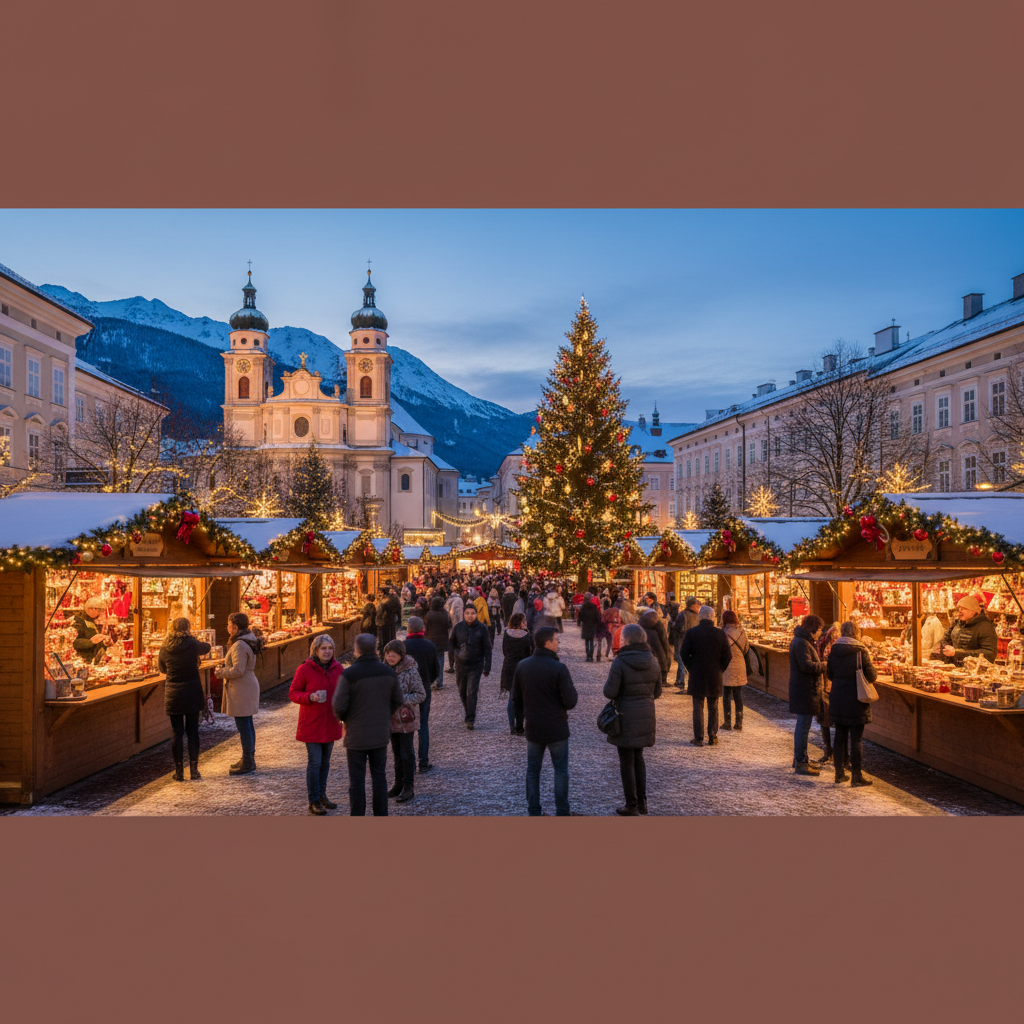
As the winter chill sets in and the days grow shorter, a unique and enchanting atmosphere envelops Europe, particularly in Germany and Austria. From late November through Christmas Eve, charming towns and bustling cities transform into wonderlands decorated with twinkling lights and festive decorations. Central to this experience are the famous Christmas markets, or “Weihnachtsmärkte” in German. These markets have become synonymous with the holiday spirit, drawing visitors from around the globe to indulge in seasonal delights and embrace local traditions.
In this article, we’ll delve into the history, cultural significance, and unique features of the Christmas markets in Germany and Austria, offering a rich narrative that captures the essence of this beloved tradition.
The Historical Roots of Christmas Markets
Christmas markets in Germany date back to the Late Middle Ages, with records suggesting their inception in the 14th century. The first documented Christmas market is believed to be the “Striezelmarkt” in Dresden, established in 1434. Originally, these markets served a practical purpose, allowing townsfolk to purchase goods for the festive season. However, they quickly evolved into a communal celebration of the holiday, fostering social connections and local traditions.
In Austria, the Christmas market tradition also has deep historical roots, with the first known market taking place in Vienna in the 13th century. These markets became a vital part of the cultural landscape, combining commerce with festive gatherings, thus setting the stage for the beloved practices we see today.
What Makes German and Austrian Christmas Markets Unique?
When visiting Christmas markets in Germany and Austria, one may wonder what sets them apart from markets in other countries. Here are several unique aspects that contribute to their charm:
- Location: Most markets are set against the backdrop of historic town squares or beautiful castles, enhancing the magical experience.
- Handcrafted Goods: Artisans showcase local craftsmanship, offering handmade ornaments, wooden toys, and intricate decorations that reflect cultural heritage.
- Festive Food and Drinks: Markets come alive with the aroma of roasted chestnuts, mulled wine (Glühwein), and gingerbread, inviting visitors to savor local culinary delights.
- Community Spirit: These markets foster a sense of belonging and camaraderie, as locals and tourists alike share in the joy of the season.
- Religious Significance: Many markets also emphasize the Christian roots of Christmas, featuring Nativity scenes and attending to religious events.
Experiencing the Magic: Notable Christmas Markets
Among the wealth of Christmas markets in Germany and Austria, a few stand out for their unique offerings and vibrant atmospheres. Let’s explore some of the most notable markets that capture the festive spirit:
Dresden Striezelmarkt
As the oldest Christmas market in Germany, the Dresden Striezelmarkt boasts a rich history and a fantastic selection of traditional goods. Visitors can explore stalls filled with artisanal crafts, savor delicious Stollen (the traditional fruitcake), and enjoy exciting attractions like the nightly Christmas tree lighting ceremony. The market embodies the spirit of tradition, attracting over 2 million visitors each year.
Vienna Christkindlmarkt
Located in front of the stunning City Hall, the Vienna Christkindlmarkt is a must-visit for anyone in the Austrian capital. This market showcases a breathtaking selection of handcrafted gifts, delicious treats, and warm beverages. Visitors can enjoy live music performances and delightful activities while engaging in the authentic spirit of Christmas. With twinkling lights and a grandiose atmosphere, it’s a true highlight of the holiday season.
Nuremberg Christkindlesmarkt
This market is famous for its distinctive character, with over 180 stalls offering traditional Nuremberg gingerbread (Lebkuchen), bratwurst, and local crafts. Every year, the “Christkind” (Christmas angel) opens the market, which is heralded by trumpets and celebrated with festive songs. The atmosphere is lively, and the enchantment of the wooden stalls and decorations captures the hearts of visitors.
Food and Drink: A Holiday Feast
The culinary offerings at Christmas markets are as important as the handcrafted gifts and decorations. Traditional food and drinks play a crucial role in enhancing the festive experience.
One cannot visit a Christmas market without indulging in Glühwein, a spiced red wine served warm, which is perfect for combating the winter chill. Vendors often offer variations, including fruity versions with orange and cinnamon. In addition, roasted chestnuts, caramelized nuts, and bratwurst served with sauerkraut are must-try staples.
Sweets are also a significant part of the Christmas market experience. Stollen, a dense fruitcake covered with powdered sugar, holds a special place in German holiday traditions. Gingerbread cookies shaped like stars and hearts are also popular and often intricately decorated with icing.
Activities and Entertainment at the Markets
Beyond shopping and eating, Christmas markets offer a plethora of festive activities and entertainment that make each visit memorable. From ice skating rinks to carol performances, there is something for everyone.
Families can often find activities for children, such as carousel rides or crafts, where little ones can create special holiday decorations. Live performances of traditional music and dance add to the joyful ambiance, illuminating the creativity and talent within the community. Additionally, many markets host theatrical performances or Nativity plays that share the story of Christmas in a delightful way.
A Personal Anecdote: Our Visit to the Markets
On a recent trip to Germany, I had the opportunity to visit several Christmas markets, each leaving a lasting impression. The first evening, we arrived in Munich’s Marienplatz. The sight of the bright lights against the backdrop of the Gothic Neues Rathaus was breathtaking. We wandered through the stalls, inhaling the delicious scents and sipping on steaming mugs of Glühwein. With each sip, the warmth spread through us, embodying the spirit of the season.
As we sampled sweet treats and admired handcrafted ornaments, we shared laughter with fellow travelers and locals alike, building connections that transcended language barriers. At the heart of it all was a sense of belonging, a reminder that Christmas truly is about community and togetherness.
Preparing for Your Visit
If you’re planning to experience the Christmas markets in Germany or Austria, here are some tips to ensure a delightful visit:
- Check the Dates: Christmas markets usually open around the first Advent Sunday and run until Christmas Eve. While many markets are open throughout December, some begin early, so always check the specific market dates.
- Dress Warmly: Since many markets are outdoors, be sure to wear warm clothing, including a sturdy pair of shoes, as you will be walking around.
- Cash is King: While some vendors may accept cards, cash is preferred in many cases, especially for smaller purchases. Make sure to bring euros for convenience.
- Arrive Early: Visiting during weekdays or early evenings can help you avoid the biggest crowds, allowing for a more enjoyable experience.
Germany and Austria: Festive Traditions Worth Exploring
The Christmas markets of Germany and Austria epitomize the essence of holiday spirit and cultural heritage, serving as a bridge that connects people through shared joy and traditions. They offer a unique insight into local customs, showcasing the warmth and creativity of the communities that host them. With their captivating ambiance, delightful food, and handmade treasures, these markets invite travelers and locals alike to partake in an experience that transcends borders and foster understanding.
Whether you’re drawn by the allure of mulled wine or the artistic craftsmanship, the Christmas markets are a celebration of life and community that is truly magical. Plan your visit and immerse yourself in the wonder of this cherished holiday tradition.