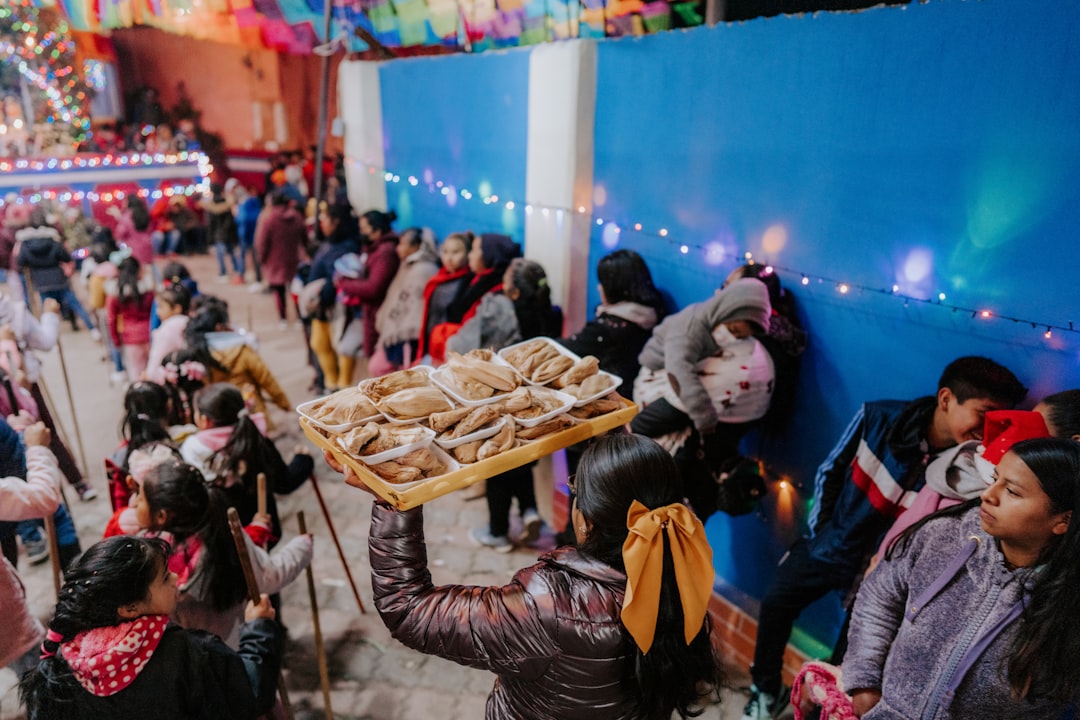
Christmas in Mexico is a vibrant celebration filled with rich traditions and customs that reflect the country’s unique cultural heritage. With festive gatherings, lively animations, and an abundance of delicious food, the festive season welcomes both locals and visitors into its colorful embrace. One of the most significant traditions during this time is “Las Posadas,” a nine-day celebration that commemorates Mary and Joseph’s journey to find shelter in Bethlehem. This article delves into the various Christmas traditions in Mexico, focusing on Las Posadas, the symbolism behind other key customs, and how these celebrations continue to thrive in contemporary Mexican society.
Las Posadas: Reviving an Ancient Journey
Las Posadas, which translates to “the inns,” represents the journey of Mary and Joseph as they search for lodging. This tradition is celebrated from December 16 to 24, marking the days leading up to Christmas Eve. Each night of the festival, groups of people, led by a child portraying Joseph, travel from house to house, singing traditional carols and seeking shelter. This reenactment serves as an engaging reminder of the struggles faced by the Holy Family and encourages community participation and hospitality.
The Ritual of Seeking Shelter
The night usually begins with a prayer and the gathering of neighbors. Participants stand outside a designated home, and they sing a series of songs, their lyrics pleading for a place to stay. Initially, they are denied, with the homeowners replying with different verses. Shortly after these exchanges, the group is welcomed inside, where a celebration follows with music, food, and piñatas. Piñatas are colorful, star-shaped figures filled with candies and small toys, symbolizing the temptation of sin and celebrating the joy of overcoming it.
The Role of Community in Las Posadas
Las Posadas embodies communal spirit and hospitality. It is common for entire neighborhoods to come together to participate in the nightly celebrations, creating a sense of unity and shared purpose during the holidays. As families host different nights, the celebrations vary from simple gatherings with hot chocolate and tamales to larger feasts complete with music and dance. In many communities, this festive tradition reinforces cultural identity and nurtures intergenerational bonds as families reminisce about their childhood experiences of Las Posadas.
Christmas Eve: Nochebuena
The culmination of the Christmas celebrations in Mexico occurs on Christmas Eve, known as “Nochebuena,” which translates to “Good Night.” This evening marks the most important feast of the year, where families come together for a lavish dinner that may include dishes like bacalao (salted cod), tamales, turkey, and traditional drinks such as ponche, a warm fruit punch that is perfect for the chilly winter nights.
Midnight Mass and Birth of Christ
Following the family meal, many attend the midnight Mass known as “La Misa de Gallo” (The Rooster’s Mass). The mass is followed by the joyous announcement of Christ’s birth, further deepening the spiritual experience of the season. Churches are adorned with elaborate nativity scenes, known as nacimientos, which often depict not only the Holy Family but also local representations that highlight Mexican scenery and heritage.
A Celebration of Tradition
The evening often concludes with music, dancing, and the exchange of gifts at home. This emphasizes not only the joy of receiving but also the significance of giving. Many families will keep their nativity scenes displayed until February 2, during a subsequent celebration known as “Día de la Candelaria,” which concludes the Christmas season and includes another festive gathering of family and friends.
Festive Foods and Flavors of Christmas
Food holds a central role in Christmas celebrations in Mexico, with each dish steeped in tradition and symbolic meaning. Tamales, for example, made from masa (corn dough) and filled with various meats, cheeses, or sweet ingredients, are a staple snack during the holiday season. Preparing tamales is often a communal activity, where family members come together to create this delicious treat, reinforcing their bonds while sharing stories.
Seasonal Sweets
Another beloved holiday treat is buñuelos, crispy fried pastries dusted with sugar and often served with syrup or honey. The sharing of these culinary delights encapsulates the essence of Mexican hospitality, where food plays a critical role in both celebration and connection. Cultural variations exist where certain regions may favor specific dishes, such as the bacalao (salted cod) or pork dishes that reflect local agricultural traditions.
Decorations: The Colors of Christmas in Mexico
As families prepare their homes for the Christmas season, decorations transform spaces into wonderlands of color and light. Traditional decorations often feature brightly colored paper móviles (paper lanterns) and vibrant nacimientos. While traditional pines or firs are becoming increasingly popular, many families will still decorate their homes with poinsettias, a plant native to Mexico that holds deep cultural significance and is synonymous with Christmas.
Symbolism in Decorations
The use of symbols in decorations is profound; for instance, the star on top of the Christmas tree symbolizes the Star of Bethlehem, while the nativity scene represents the humble beginnings of Jesus’ birth. The traditional greeting “Feliz Navidad” (Merry Christmas) can be seen across decorations, evoking warmth and goodwill throughout neighborhoods. Modern trends have seen an infusion of new styles and themes, but the heart of the decorations remains firmly rooted in cultural heritage.
Christmas Carols and Songs
Music is an integral part of the Christmas landscape in Mexico, with festive caroling prevalent during Las Posadas and Nochebuena. Traditional melodies like “Los Reyes” and “El Niño de la Tambora” are favorites sung across the country. These carols not only tell the story of Christmas but also reflect regional anecdotes, adding layers to the historical tapestry of Mexican culture.
Community Music Events
In many towns, public squares host music festivals featuring mariachi bands and folkloric dancers who celebrate the season with joy and enthusiasm. These gatherings invite everyone to join in the festive spirit and are a dazzling showcase of Mexican artistry and tradition. Such events foster community bonds, demonstrating how music can unite different generations and backgrounds during a festive holiday.
Embracing the Spirit of Navidad
In conclusion, Christmas celebrations in Mexico, especially through Las Posadas, emphasize community, tradition, and shared history. These rich customs invite both locals and visitors into the heart of Mexican culture, showcasing its diversity and warmth. As the world becomes more interconnected, understanding and appreciating such unique traditions allows us to cherish and celebrate the myriad ways people express their joys and beliefs during the season. Whether you are partaking in Las Posadas, enjoying a Nochebuena feast, or witnessing the vibrant decorations, the spirit of Navidad in Mexico resonates with messages of hope, family, and togetherness, showcasing the enduring legacy of Christmas across cultures.